ABOUT US
Rooted in Africa. Building the digital home for its languages.
OUR ESSENCE
The Meaning and Significance of the Name “Khaya”
Khaya stands for the "African Mahogany" Tree - Khaya Senegalensis. It is in use by many African communities for a variety of purposes - furniture, medicinal, etc. We thought it was a good metaphor for how useful we envision our product to be. Khaya also stands for "home" in several African languages, which is another entendre. Khaya AI aims to be a sustaining resource for Africans in the digital future. Khaya AI is building a digital home for African languages, a strong, sustaining, and deeply rooted resource for Africa's digital future.
“Bridging Words, Empowering Communities, One Language at a Time”
MEET THE TEAM
The Khaya AI Team

Paul Azure
Co-Founder
Paul Azunre holds a PhD in Computer Science from MIT and has served as a Principal Investigator on several DARPA research programs. He founded Algorine Inc., a Research Lab dedicated to advancing AI/ML and identifying scenarios where they can have a significant social impact. Paul also co-founded Ghana NLP - an initiative focused on using NLP and Transfer Learning with Ghanaian and other low-resource languages. He is the author of the book "Transfer Learning for NLP" by Manning Publications, one of the first books written on the subject of LLMs. His experience includes key roles at small fast-moving AI startups like New Knowledge and established tech giants like Oracle and D&B.

Lawrence Asamoah Adu-Gyamfi
Co-Founder
Lawrence Adu-Gyamfi is Khaya's Technical and Product Lead. As a core Research Scientist at GhanaNLP since 2020, he managed the full AI lifecycle for our core technologies. He led the data collection team in building foundational datasets, was directly involved in model development, and architected the production-ready APIs for Machine Translation, ASR, and TTS. An engineer by training with an MSc in Data Science, Lawrence also brings deep enterprise AI experience from his research in ML explainability and Uncertainty Quantification at leading European technology and energy firms.

Joel Budu
Co-Founder
Joel has worked as the Director of Engineering for GhanaNLP since 2020, leading the development of the infrastructure for the model serving backends and products that serve thousands of people all over the world. He has over 17 years of experience building scalable and production ready systems in Natural language processing, Computer Vision and Software engineering. He holds a masters degree in Artificial Intelligence and Applications from the University of Strathclyde, Glasgow.

Dr. Stephen Edward Moore
Co-Founder
Dr. Moore holds a PhD in Mathematics from Austria and serves as the Chief AI Strategist at the University of Cape Coast in Ghana. He is a representative at UNESCO’s International Research Centre on Artificial Intelligence and focuses on Computational Science and Engineering. Dr. Moore co-founded Ghana NLP and played a central role in authoring Ghana’s National AI Strategy. His career includes key roles at European firms such as Prozess Optimal and Engineering Software Steyr in Austria, as well as the Austrian Academy of Sciences. He is a visiting professor at Pan African University in Kenya and the African Institute of Mathematics in Senegal, while maintaining research collaborations with global organizations like Google and the Bill and Melinda Gates Foundation.

Atsu Agbemabiase
Co-founder
Atsu Agbemabiase has been a political risk & intelligence, business, project management, corporate governance, finance, compliance, due diligence, and investment professional for 15 plus years. He is also into Natural Language Processing (NLP) and practical applications. He is a board member of Khaya AI and is in charge of legal & compliance matters. He currently serves as the Chairman of the Steering Committee for the UNESCO Initiative: The West African Alliance for the International Decade of Indigenous Languages (WAA-IDIL), a role he commenced in April 2025. He is also very active with the operations of the Mfantsipim Old Boys Association (MOBA).

Hikma Hamza
Operations Engineer
Hikma Hamza is an Operations Engineer supporting coordination, planning, and execution across teams. She is a Software Engineering student majoring in Machine Learning and brings a strong foundation in organization and systems thinking. Hikma works across both technical and non-technical teams to keep workflows clear and efficient. She contributes to language and community-driven projects and is fluent in Twi, Hausa, and Ewe, with a good understanding of Ga.

Nana Akwasi Asare
AI Research Engineer
Akwasi loves building AI tools that understand African languages and also advances healthcare. With experience in NLP and medical AI for low-resource settings, specifically Africa, he brings skills in building practical, inclusive technologies that make a real social impact at Khaya AI.

Naafi Ibrahim
AI Engineer
Naafi is a Machine Learning Engineer based in Paris, France. He's experienced in building Natural Language Processing (NLP) tools for low-resourced African languages. He's also enjoyed a brief stint at the Inria SCOOL Team where he worked on applying RL techniques to designing healthcare interventions. At Khaya AI, Naafi contributes to building/advancing NLP-based tools to bridge the linguistic gap across the African continent.

David Nintang
Software Developer
David studies Engineering and Computer Science at Grambling State University in Louisiana. With prior experiences in competitive robotics programming and software development at startups, David brings strong, diverse technical skills to support the Khaya AI team.
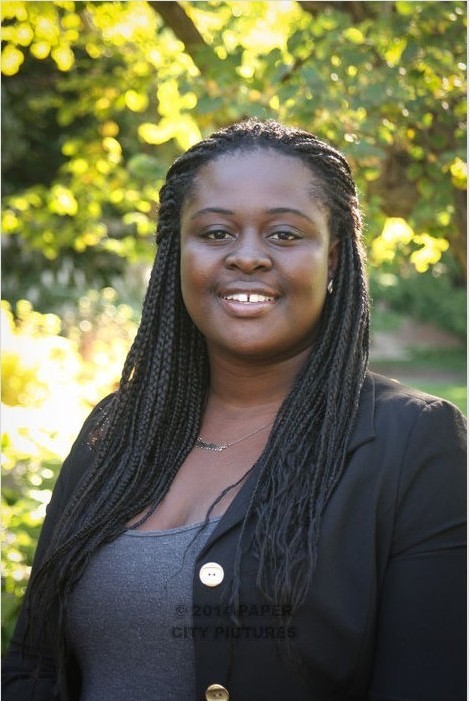
Melissa Adu-Poku
Software Engineer
Melissa is a software engineer with 8 years of experience building performant frontend and backend systems and applications. Working mostly in the finance and fintech sector, she is motivated by solving real user problems with thoughtful engineering, and delivering high-quality, production-ready software for small enterprises and startups. She is especially passionate about building and innovating homegrown products and solutions for Africans by Africans.
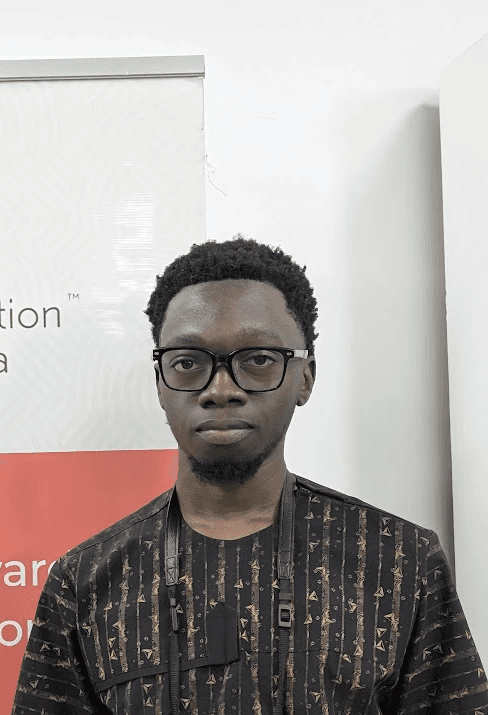
Prince Larbi
Software Engineer
Prince's interests span XR and spatial computing, IoT, and embedded systems. He is active in open-source development and contributes to open knowledge and technical projects within Wikimedia communities in Africa, with a particular focus on making African language technology more accessible.

Joseph Kumassey-Dugbatey
Mobile Applications Developer
Joseph is a skilled Mobile App. Developer at Khaya AI with 5+ years of experience in building high-performance mobile apps for fintech, health-tech, and infrastructure sectors. He's worked on scalable solutions impacting thousands of users in Africa, North America, and Europe. Joseph holds a BSc. in I.T from the University of Ghana, Legon and is an active open-source contributor.
The Founding and Inspiration Behind Khaya AI
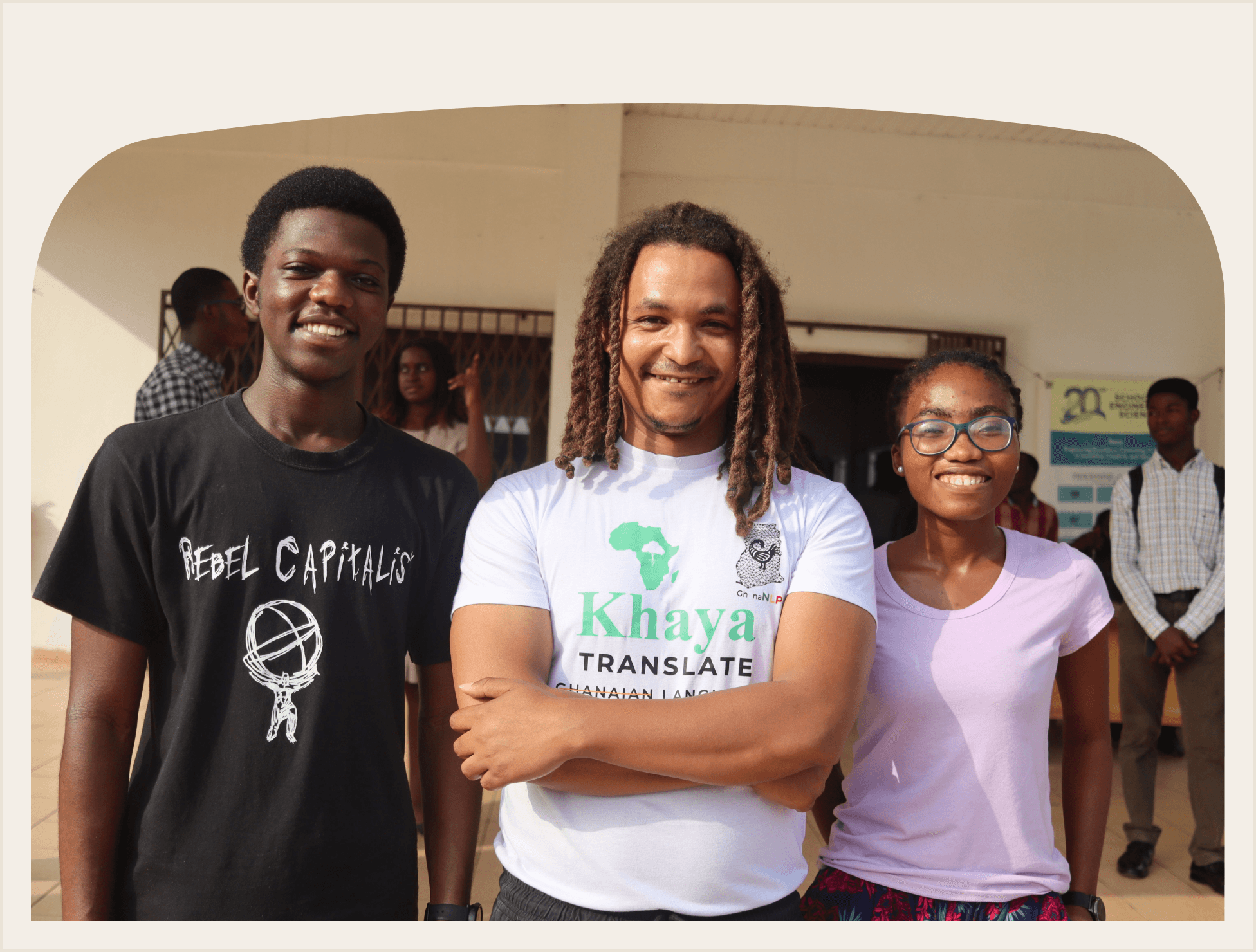
About five years ago, a group of Ghanaian researchers united to address the lack of language technologies for Ghanaian languages on major platforms like Google and Microsoft. We built the app Khaya, which was well received in Ghana and highlighted a wider need across Africa. Growing from GhanaNLP’s open-source efforts to preserve African languages, Khaya AI was founded to scale this mission. Our company focuses on delivering enterprise-grade solutions while retaining our community-driven, open-source roots, with a strong commitment to African ownership of language data and technology in the digital space.
Khaya AI’s Mission
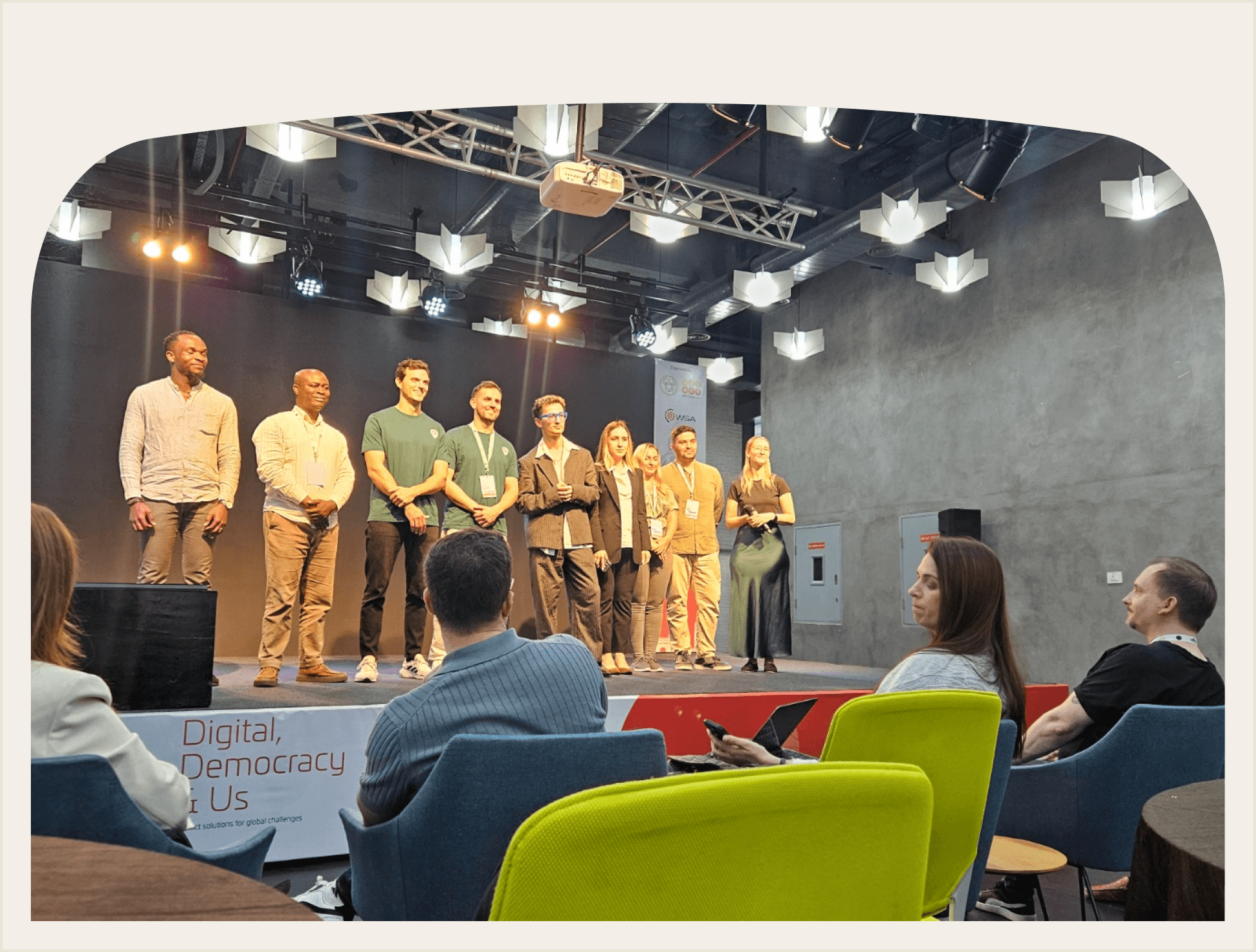
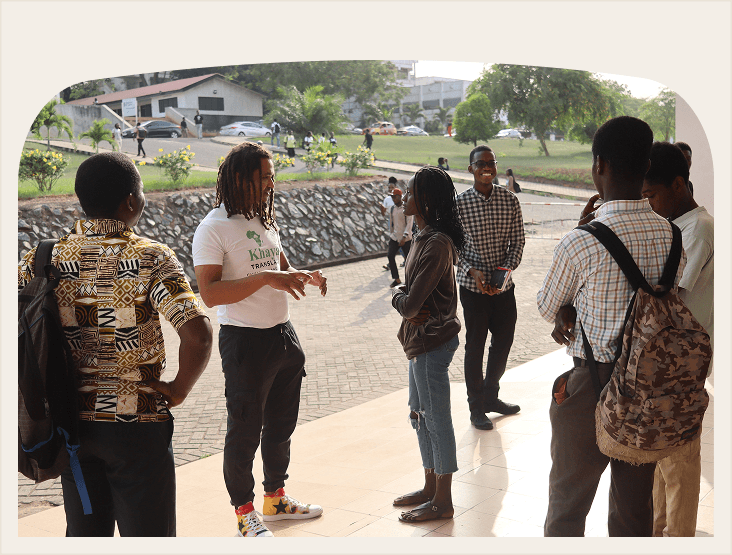
Our mission is to build a digital home for African languages and bridge the digital divide by creating human-centered language technologies that understand and speak the languages of our communities. We aim to empower millions of people to access information, education, and opportunities in the languages they know best, enabling African cultures and communities to flourish and shaping the future of natural language processing through an African lens.
Our Story Timeline
OUR REWARDS
Achievements & impact
01
Text-to-Speech
Our Text-to-Speech tools currently cover 32 languages - that is more than approximately 500+ million people across Ghana, Nigeria, Kenya, Senegal, Sierra Leone & Zimbabwe.
02
First of it’s Kind
We were the first to put out translation, text to speech or ASR production systems for any Ghanaian language, and several Kenyan and Nigerian languages.
03
Performing Models
We currently have the best performing models in the area of translation, automatic speech recognition and text to speech and undisputed African language tech pioneers.
04
UNESCO Win
We recently won a UNESCO related award in 2025 for our work.
OUR VISON
Khaya AI’s Vision for the Next Decade
We imagine a future where every low-resourced language, no matter how obscure, has a home, true to the meaning of Khaya. Building on the progress we have made with Ghanaian languages, we aim to extend these successes across Africa, beginning with countries such as Nigeria, Senegal, and Sierra Leone.
We aim to build a future where language is never a barrier for Africans in communicating with others or with AI. Our vision is to remain at the forefront of global language AI innovation by creating solutions that go beyond simply adapting existing technologies.
We seek to drive original breakthroughs rooted in Africa’s unique contexts and needs. In doing so, we want to demonstrate that Ghanaian innovators can build wealth for their communities, lead the world in cutting-edge research, and shape a future where
Africans take full ownership of their languages in every aspect, from preservation to technological advancement.

OUR SOLUTIONS
The Problem Khaya AI is Solving
Africa faces a major risk of being left behind in the digital future due to the limited online representation of its languages. In Ghana, for example, over 50 languages are largely invisible to online tools and services, creating a deep digital divide that disconnects millions from essential information and opportunities, from education to emergency support.
Khaya exists to change this. Founded five years ago when no major platform supported Ghanaian languages, Khaya is building AI-powered language technologies to connect African voices to the digital world. Our coverage already surpasses many global platforms. We prioritize cultural relevance and community empowerment, ensuring African languages and cultures thrive, evolve, and share in the benefits of the digital age by using technology to translate, preserve, and teach them.
WHY KHAYA AI
What Makes Khaya’s Technology Unique
What sets Khaya apart is the expertise in data that we collect ourselves by experts in the languages, along with a curation of some of the best brains in the field when it comes to NLP in Ghana and Africa. Our API stands out for its quality and performance, offering reliable access to the most advanced African language technologies available. The models and products are developed and tested by people who know the languages these tools are built for.
This deep, human-in-the-loop collaboration allows our technology to capture the nuance, context, and culture that many competing solutions often overlook. The result is not just higher accuracy or better performance, but technology that feels authentic and truly serves its users. Also, our community-centered design and development approach ensures that our solutions address real local needs while maintaining high levels of accuracy. By curating high-quality data, we create models that are more efficient, smaller, and less energy intensive.